 ORMA
 ← Back to Safety Library
In 20 seconds
- Check paws, ears and eyes for grass seeds after every walk. If one may have gone in, see a vet the same day.
- If your dog eats a plant, lead it away, photograph the plant and call your vet, even if your dog seems fine.
- Don’t make your dog vomit or give food or medicine unless a vet says so.
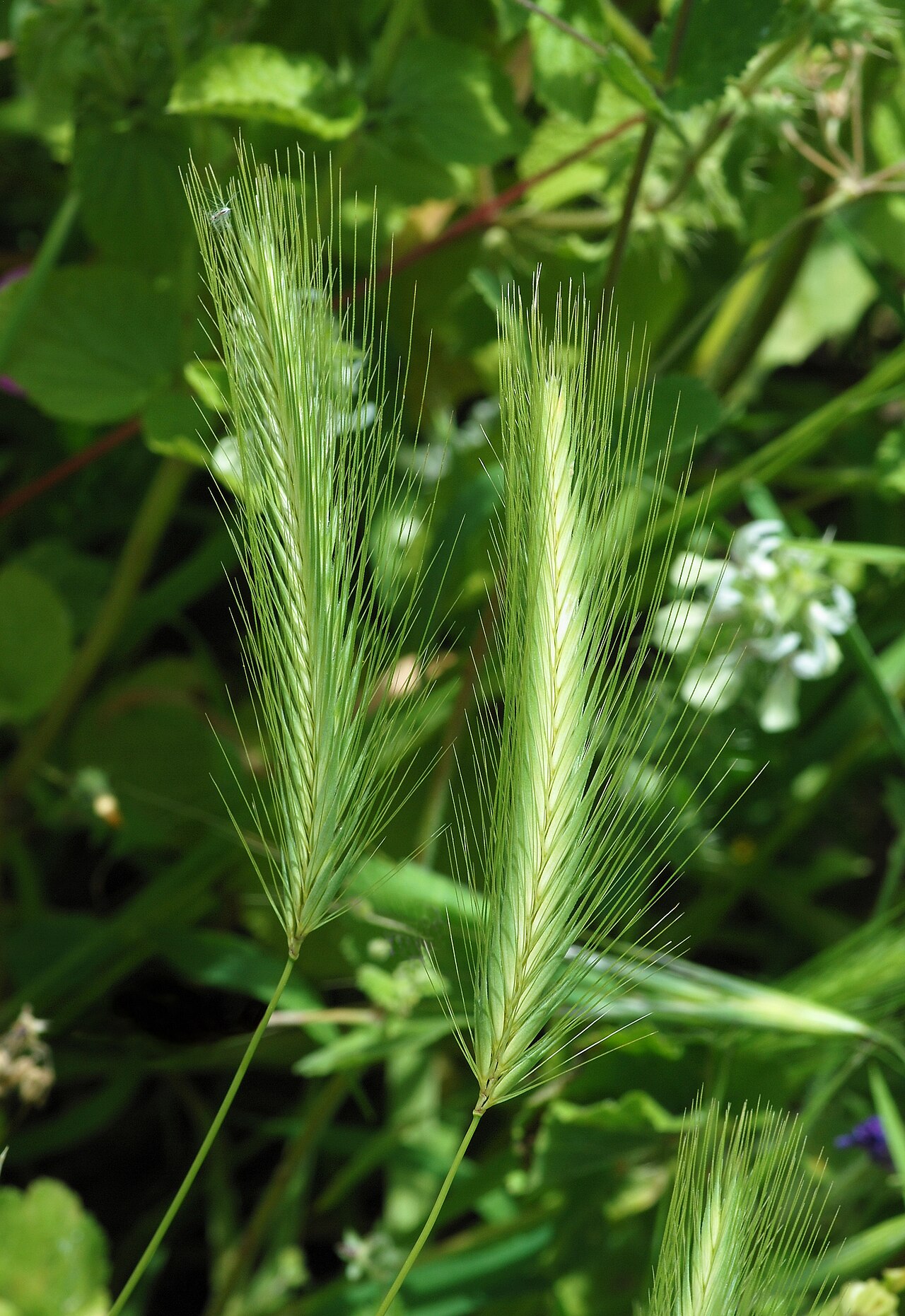
Grass seeds (forasacchi)
Barbed seeds of wall barley, brome and similar grasses catch in the coat and work into the body. They aren’t poisonous, but they keep moving deeper.
- Where
- Between the toes, ears, nose, eyes and genitals.
- Signs
- Sudden head shaking, sneezing or a nosebleed, licking a paw, a swelling between the toes, squinting.
- Do
- See a vet the same day. Don’t dig one out of an ear or nose yourself.
- Prevent
- Keep off dry grass at path edges. Check your dog after every walk, and keep the hair between the toes short.
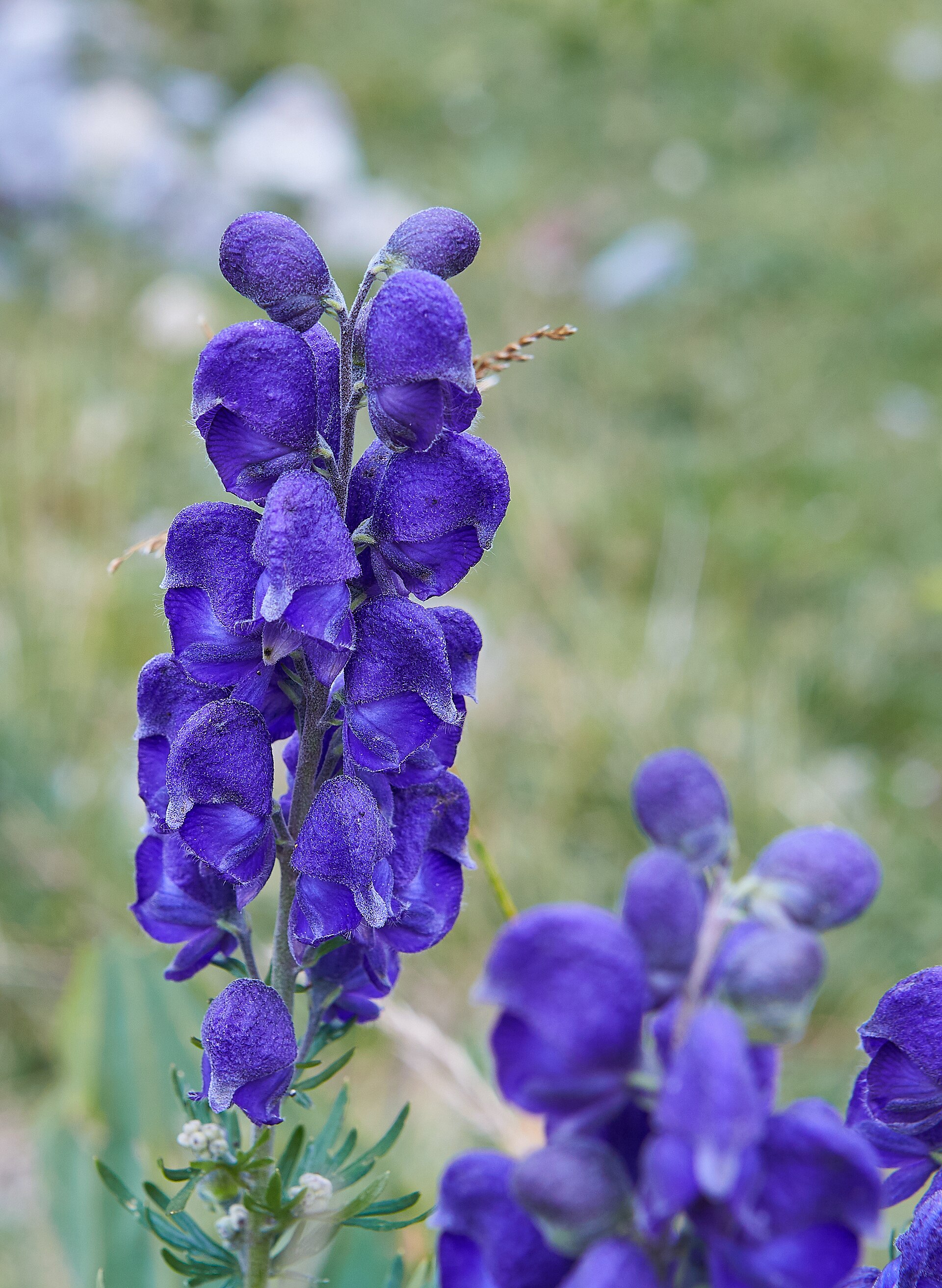
The most toxic
Walking past is fine. Eating a few leaves, berries or one mushroom can be an emergency.
- Monkshood (aconite)
- White false hellebore
- Yew
- Autumn crocus
- Foxglove and lily of the valley
- Alpine rhododendron
- Wild mushrooms
Find a plant
Most dangerous first. Low concern means fine to walk past, not fine to eat.
Loading the plant cards…
Sources and medical referencesLast reviewed: 5 November 2026
About the cards and photographs
This 37-record awareness catalogue is not an identification guarantee or an exhaustive local flora: appearance changes through the season, and similar species can carry different risks.
All card photographs are reusable Commons references with creator and licence details behind the © control. The catalogue is not presented as approved by a veterinarian or regional botanist.
Plant-specific evidence was checked on 26 August 2026. Veterinary material consulted: ASPCA Animal Poison Control and Merck Veterinary Manual guidance on poisonous plants. Leave wild plants in place and use the cards’ avoid and monitor notes for trail decisions.
Added on 5 November 2026: grass awns (Pet Poison Helpline, San Francisco SPCA and VCA Animal Hospitals), white false hellebore and mezereon (University of Zurich Vetsuisse CliniTox, Pet Poison Helpline) and wild mushrooms (Pet Poison Helpline). Each card links its source.
This is general information, not a diagnosis or a substitute for veterinary care.